Difference Between Asus Zenbook A16 and LG Gram Book Explained
Introduction
The ultrabook market has seen tremendous innovation, with brands racing to deliver lightweight, powerful, and durable laptops. Among the most notable contenders are the Asus Zenbook A16 and the LG Gram Book. Both laptops are positioned to meet the needs of professionals, students, and anyone seeking a premium portable computing experience. But how do these two standout devices really compare?
This article dives deeply into the specifications, design, performance, and user experience of both the Asus Zenbook A16 and LG Gram Book. By referencing real-world use cases and buyer priorities, the comparison aims to clarify which device could be the better fit for your needs.
Asus Zenbook A16: Detailed Review
Design and Build Quality
The Asus Zenbook A16 continues Asus’s legacy of delivering strikingly designed ultrabooks. Featuring a sleek aluminum chassis with a minimalist aesthetic, the A16 is both sturdy and stylish. Its slim profile and lightweight build (generally between 1.15–1.3 kg depending on the configuration) make it perfect for users on the go. The hinge design allows for comfortable use in multiple environments, from coffee shops to airports. The chassis meets stringent MIL-STD 810H standards for durability, giving added peace of mind for frequent travelers.
Display
The Zenbook A16 usually ships with a 16-inch 2.5K or 4K OLED display, boasting exceptional color accuracy, high contrast, and deep blacks. This makes it a preferred choice for content creators, designers, and media enthusiasts. The thin bezels provide an immersive viewing experience, while the anti-glare coating ensures usability in brightly lit environments.
Performance
Equipped with Intel Core Ultra or AMD Ryzen series processors (depending on the region and configuration), the Zenbook A16 can handle demanding tasks such as video editing, 3D modeling, and serious multitasking. It also comes with 16–32GB LPDDR5 RAM options and high-speed PCIe SSD storage (up to 1TB or 2TB). For graphics, integrated solutions are common, though some models offer discrete GPUs for enhanced creative performance.
Battery Life
A key consideration in the ultrabook segment is battery endurance. The Zenbook A16 is rated for up to 12–14 hours of real-world usage. Fast charging support allows users to quickly recharge before heading out the door, an essential feature for mobile professionals.
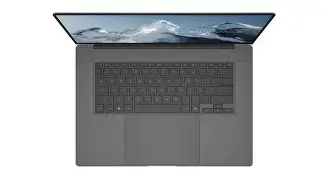
Keyboard, Trackpad, and Ports
The Zenbook A16 offers a comfortable typing experience with well-spaced keys and strong tactile feedback. The trackpad is large, smooth, and precision-compatible. As for ports, Asus provides a healthy mix, including Thunderbolt 4/USB-C, USB-A, HDMI, and a microSD reader—catering to both legacy and modern peripherals.
Audio and Webcam
The Harman Kardon-certified speakers deliver clear audio for video calls or media consumption. The FHD IR webcam supports Windows Hello face authentication, a security and convenience feature that modern users now expect.
Find top-rated Laptops & Computers products at great prices.
See Deals →Pros & Cons
- Pros:
- Premium OLED display with vibrant colors
- Durable, stylish metal chassis
- Long battery life with fast charging
- Rich port selection
- Excellent typing and navigation experience
- Cons:
- Higher price point compared to mainstream options
- Some variants lack discrete GPU
- Speakers get average loudness
- Can get warm under heavy load
LG Gram Book: Detailed Review
Design and Build Quality
The LG Gram Book is famed for its extraordinarily light construction, with the 16-inch variant weighing around 1.19 kg. Built from a magnesium alloy, the Gram remains robust yet feathery, pushing the boundaries of portability. It passes multiple MIL-STD 810G tests for durability, ensuring resilience against small drops and daily wear and tear. The understated, elegant design favors function as well as form.
Display
LG equips the Gram Book with WQXGA (2560 x 1600) IPS displays, delivering sharp visuals with true-to-life color reproduction. The anti-glare coating and high brightness levels ensure comfort in varied lighting, making it especially suitable for productivity outdoors or in offices with strong lighting.
Performance
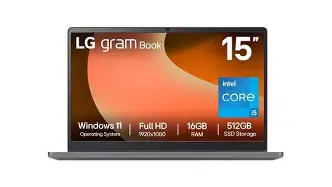
Driven by the latest Intel Core Ultra processors, the Gram Book handles everything from office productivity and web browsing to more intensive tasks like light video editing and multitasking. RAM options typically range from 16GB to 32GB, and SSD storage up to 1TB is standard. However, the Gram targets efficient performance rather than raw graphical muscle, so it relies mainly on integrated Intel Iris Xe or similar integrated GPUs.
Battery Life
The LG Gram series is designed for marathon battery life, with real-world usage often reaching 17–20 hours on a charge—among the best in class. This is a critical advantage for digital nomads, students, and professionals who need a full day’s work away from a power outlet.
Keyboard, Trackpad, and Ports
The keyboard on the Gram Book is roomy, quiet, and features satisfying travel, even in a thin chassis. The precision touchpad is generously sized and responsive. LG also excels in port provision: users get Thunderbolt 4/USB-C, multiple USB-A, HDMI-out, a microSD slot, and even a headphone jack, ensuring versatile connectivity.
Audio and Webcam
The Gram’s DTS:X Ultra speakers deliver detailed audio with decent volume and clarity. The 1080p webcam with AI noise-reduction supports Windows Hello face authentication, matching expectations for both remote work and frequent video calls.
Pros & Cons
- Pros:
- Ultra-light yet durable magnesium chassis
- Outstanding battery life (all-day plus)
- Bright, sharp IPS display
- Extensive port selection
- Comfortable keyboard and touchpad layout
- Cons:
- Lacks discrete graphics options
- Speakers lack bass at higher volumes
- Design is more understated, less flashy
- Some flex apparent in keyboard deck under pressure
Comparison Table: Asus Zenbook A16 vs LG Gram Book
| Feature | Asus Zenbook A16 | LG Gram Book |
|---|---|---|
| Build Material | Aluminum Alloy | Magnesium Alloy |
| Weight | ~1.15–1.3 kg | ~1.19 kg |
| Display Size/Type | 16" OLED/IPS, up to 4K | 16" WQXGA IPS, 2560x1600 |
| Processor Options | Intel Core Ultra / AMD Ryzen | Intel Core Ultra |
| RAM | 16–32GB LPDDR5 | 16–32GB DDR5 |
| Storage | Up to 1TB/2TB PCIe SSD | Up to 1TB M.2 NVMe SSD |
| Graphics | Integrated / Discrete (model-dependent) | Integrated Intel Iris Xe |
| Ports | Thunderbolt 4/USB-C, USB-A, HDMI, microSD | Thunderbolt 4/USB-C, USB-A, HDMI, microSD, Headphone jack |
| Battery Life | 12–14 hours (real-world) | 17–20 hours (real-world) |
| Webcam | FHD IR, Windows Hello | FHD IR, Windows Hello |
| Audio | Harman Kardon speakers | DTS:X Ultra speakers |
| Build Certification | MIL-STD 810H | MIL-STD 810G |
| Security | Fingerprint reader (some models), IR webcam | IR webcam (Windows Hello) |
| Unique Features | OLED display option, metal aesthetic | Ultra-lightweight, all-day battery |
Buying Guide: Which Is Right for You?
Selecting between the Asus Zenbook A16 and the LG Gram Book hinges on personal and professional priorities. Here are key buyer scenarios to consider:
1. Portability and Battery Life
If carrying the lightest laptop with exceptional battery life is non-negotiable—for traveling professionals, students, or anyone mostly on battery—the LG Gram Book stands tall. Its magnesium chassis is featherlight, and reports of achieving up to 20 hours unplugged are well-documented.
Find top-rated Laptops & Computers products at great prices.
Shop Amazon →2. Display Quality and Creative Work
For buyers who prioritize stunning visuals, accurate color reproduction, and sharp contrast—for photo editing, video production, design, or media consumption—the Asus Zenbook A16 with an OLED display is the clear winner. This display tech provides richer visuals than nearly all IPS panels.
3. All-Round Productivity and Performance
Both laptops feature the latest Intel Core Ultra processors and large memory configurations, making them strong performers for most productivity tasks. The Zenbook A16’s possibility of discrete graphics gives it a slight edge in heavier creative workloads or light gaming, whereas the Gram Book excels for routine office work, multitasking, web use, and streaming.
4. Build Quality and Durability
While both devices meet military-grade durability standards, the Zenbook A16’s aluminum shell feels more premium and less flexible than the Gram Book’s magnesium deck—though the Gram Book is undeniably more portable.
5. Port Selection and Connectivity
Both models are well equipped, but the Gram offers a slightly broader range, including a headphone jack (now often omitted in ultrabooks) and generous USB-A ports in addition to the latest I/O.
6. Pricing and Value
Pricing fluctuates by configuration, retailer, and market. Typically, the Gram Book focuses on delivering value through extreme portability and battery endurance, while the Zenbook A16 justifies a premium for its display and build. Shoppers should compare contemporary pricing locally.
Conclusion
The Asus Zenbook A16 and LG Gram Book represent the pinnacle of modern ultrabook design but cater to slightly different segments. The Zenbook A16 is the choice for those who demand the best display and a more rigid chassis for semi-creative or professional work, while the Gram Book is ideal for buyers who prioritize portability and battery life above all else. Both deliver exceptional performance for everyday computing, reliable video conferencing, and multitasking, ensuring there’s no wrong choice—only the option that best fits your lifestyle and workflow.