Don't Buy the Sound Blasterx H5 Until You Read This Full Analysis
The Sound Blasterx H5 has been a steady presence in the midrange gaming headset market since its release. For buyers who care about comfort during long sessions, a clear microphone for voice chat, and a durable build that survives daily use, the H5 promises a lot on paper. However, real-world use often exposes trade-offs that matter: sound signature versus accuracy, software dependence, and how the headset performs across PC, console, and mobile platforms. This full analysis walks through those trade-offs, explains who the H5 benefits the most, and highlights potential pitfalls so buyers can make an informed decision.
Introduction: Where the H5 Fits
The Sound Blasterx H5 is positioned as a wired gaming headset for players who want a balance of comfort, build quality, and usable microphone performance without stepping up to premium flagship pricing. It tends to attract buyers who stream occasionally, spend hours in multiplayer matches, or need a headset that works across multiple platforms without complicated adapters.
What buyers typically care about—especially at this price point—is whether the headset delivers reliable voice communication, natural-sounding game audio (not exaggerated bass or harsh highs), long-term comfort, and a rugged design that won’t fall apart after a year of heavy use. This analysis evaluates the H5 against those priorities and places the outcomes in real-world use cases: esports practice, streaming with a co-host, console multiplayer, and mobile commuting.
Detailed Product Review and Analysis
Design and Build Quality
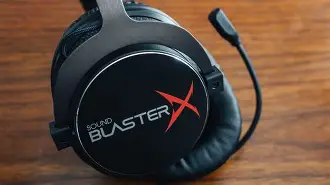
The Sound Blasterx H5 emphasizes a utilitarian, gaming-inspired design with reinforced components intended for repeated handling. The frame and yoke usually combine metal and reinforced plastic for a balance of durability and reduced weight. Ear cups are over-ear closed-back style, intended to provide passive isolation and better bass response in noisy environments.
For users who toss their headset into a bag between LAN parties or travel frequently, the H5’s construction gives confidence. However, buyers who prioritize a featherlight wearable for ultra-long sessions should compare the H5’s clamping force and headband padding to other lightweight models, as some users find it firmer than expected on first wear.
Comfort and Fit
Comfort is a critical practical metric: the H5’s ear pads are typically plush and replaceable, keeping heat and fatigue manageable during multi-hour sessions. The memory-foam like material provides a snug seal for better bass reproduction and voice isolation, which is useful both for competitive gaming and vocal recording.
That said, the headset's fit can vary with head shape. Users with broader skulls may notice some pressure at the temples after prolonged use, while those with smaller heads might appreciate the secure fit. The adjustability of the headband helps, but prospective buyers who can try before they buy will have an advantage assessing long-session comfort.
Sound Quality
Sound signature is where many decisions are made. The H5 aims for a warm, engaging presentation geared toward gaming: punchy lows, present mids, and controlled highs. This makes footsteps, explosions, and in-game environmental cues feel impactful. For players who prioritize immersive game audio and cinematic effects, this signature is appealing.
However, the H5 is not a reference or studio headset. Buyers who do music production, critical listening, or require neutral frequency response for competitive positional audio may find the H5’s tuning too colored—particularly if the low-end is emphasized to deliver perceived power. For streamers who blend music, vocals, and gameplay, occasional EQ tweaking in software helps, but the headset’s baseline tuning should match buyer expectations.
Microphone and Voice Performance
Microphone clarity is one of the H5’s strengths in everyday use. The detachable boom mic often delivers clean voice reproduction with good proximity effect control and noise rejection for typical home environments. For multiplayer communication—Discord, in-game voice chat, and quick interviews—the H5’s mic is reliable and intelligible.
Discover deals on Audio & Headphones — updated daily.
Browse Now →For streaming or podcasting at a professional level, the built-in boom mic is a practical backup but not a replacement for a dedicated condenser or dynamic microphone. Voice artists or podcasters who require studio-quality capture will likely pair the H5 with an external mic.
Connectivity and Compatibility
The H5’s wired connection approach prioritizes simplicity. It generally connects via a 3.5mm headphone/mic jack for broad device compatibility—PCs, consoles (PlayStation and Nintendo), and mobile devices—with minimal fuss. For PC users wanting virtual surround or advanced software processing, a USB adapter or software suite from the manufacturer may unlock features like simulated 7.1 or EQ presets. Buyers should verify whether the package includes any USB dongle or if it is sold separately, depending on specific retail bundles.
One practical consideration: consoles like Xbox can behave differently with combined headphone/mic jacks depending on controller firmware and compatibility. Buyers who plan console-only use should check platform compatibility notes or test in-store when possible.
Software and Features
The Sound BlasterX software ecosystem can add value with EQ customization, presets, and simulated surround modes. For users who want granular control, the software allows tuning for music, movies, and specific game genres. A word of caution: software reliance means that the full experience may be best on PC. Mobile and console users often won’t have access to the same suite of features, so the out-of-the-box sound profile becomes more important for those platforms.
Real-World Performance: Use Cases
- Esports and Competitive Play: The H5’s punchy lows and clear mids help emphasize footsteps and gunfire, but players highly focused on positional precision may prefer a flatter-sounding competition-oriented headset. Reaction times and positional awareness are marginally affected by tuning—some users prefer flatter mids and slightly recessed bass for clearer highs.
- Streaming and Co-op Play: For streamers who balance commentary with game sound, the H5 offers a dependable mic and pleasing game audio. However, streamers who incorporate music or mixing on the fly will benefit from PC software for EQ control.
- Console Multiplayer: The convenience of a wired headset that works across PlayStation and Nintendo devices is a plus. The H5’s construction and comfort support long raid nights or multiplayer sessions.
- Mobile Use and Commuting: The 3.5mm connectivity means easy pairing with phones and tablets. Passive isolation helps on noisy commutes, although wired cable length and in-line control behavior vary by bundle.
Pros & Cons
- Pros:
- Durable build with metal-reinforced elements that survive daily handling
- Comfortable ear pads suitable for long gaming sessions
- Detachable boom microphone with clear voice capture for multiplayer and streaming
- Broad device compatibility via wired 3.5mm connection
- Software tuning options on PC (EQ and simulated surround)
- Cons:
- Sound tuning favors a warm, engaging profile rather than a neutral studio response
- Dependence on PC software for the best tuning experience; consoles and mobile may miss features
- Clamp force and weight may not suit users seeking the lightest headset for ultra-long sessions
- Not a substitute for a dedicated studio mic for professional streaming or podcasting
Comparison Table
| Model | Sound Signature | Mic Quality | Comfort | Build/Durability | Best For |
|---|---|---|---|---|---|
| Sound Blasterx H5 | Warm, punchy lows; present mids; controlled highs | Good — detachable boom, clear for voice chat | Good — plush pads; secure fit | Strong — metal-reinforced yoke | Casual to serious gamers who want comfort and durability |
| Competitor A (Midrange) | Neutral to slightly bright — favored by competitive players | Very good — clear and crisp; some models include mic monitoring | Very comfortable — lighter clamp | Moderate — more plastic to reduce weight | Esports players and those preferring positional accuracy |
| Competitor B (All-rounder) | Balanced — friendly to music and games | Good — suitable for casual streaming | Excellent — breathable padding | Good — durable and travel-friendly | Streamers and mixed-use buyers who switch between music and gaming |
Buying Guide: What to Check Before Purchasing
When evaluating the Sound Blasterx H5 or similar headsets, buyers should consider the following checklist to match the headset to their personal use case:
1. Platform Compatibility
Confirm how the headset will be used most often. If the primary platform is PC and advanced features like virtual surround or custom EQ are important, verify that the H5’s software works on the intended operating system and whether any USB dongle is required. For console-only users, check controller jack compatibility and whether the microphone behaves correctly with the chosen console.
2. Wired vs Wireless Trade-offs
Wired headsets like the H5 avoid battery life issues and provide straightforward connectivity. If the buyer values mobility or a tidy desk setup without cables, wireless alternatives might be preferable, but they often add cost and potential latency considerations.
3. Microphone Needs
Decide whether the built-in boom mic is sufficient. For clear multiplayer voice chat and casual streaming, it usually is. For producing podcasts or streaming with professional audio standards, budget for an external microphone or an audio interface.
4. Comfort for Long Sessions
Check headband padding, clamping force, and ear pad material. Memory-foam pads and breathable fabric coverings reduce fatigue. Buyers who spend many hours per day gaming should prioritize comfort above minor differences in sound signature.
Find top-rated Audio & Headphones products at great prices.
Browse Now →5. Sound Tuning Preferences
Identify whether an immersive, bass-forward sound or neutral accuracy matters more. The H5 leans toward an immersive presentation; buyers who want neutrality for competitive play or mixing should compare frequency response charts or try the headset in-store.
6. Software vs Hardware Features
Understand what features depend on desktop software and what works natively. If mobile and console use dominate, ensure the experience will be satisfactory without PC-based customization tools.
7. Durability and Warranty
Inspect materials and ask about warranty coverage. A reinforced yoke and replaceable ear pads extend the lifespan and make the headset a better value over time.
8. Practical Accessories
Look for included accessories: detachable mic, extension cables, airline adapters, or a USB sound card. Some bundles include extras that improve flexibility across devices; others keep the retail package minimal.
Final Thoughts and Conclusion
The Sound Blasterx H5 occupies a practical niche for buyers who want a sturdy, comfortable gaming headset with a reliable microphone and a sound profile that emphasizes immersion. In typical home gaming and streaming scenarios, it performs well: conversations are clear, in-game events feel impactful, and the construction withstands daily use.
Potential buyers should keep expectations aligned with priorities. If platform-agnostic simplicity, durability, and a pleasant, engaging sound are most important, the H5 is a reasonable choice. If neutral accuracy, ultra-light comfort for marathon sessions, or studio-grade capture is the central requirement, other headsets or supplementary microphones may be better fits.
Ultimately, the decision hinges on how the headset will be used day-to-day. By considering platform compatibility, microphone expectations, comfort requirements, and whether PC-only software features are essential, buyers can determine if the Sound Blasterx H5 matches their needs—or if an alternative would serve them better.