Why Everyone is Buying the Honor Magic 8 Pro (Full Review)
I've been using the Honor Magic 8 Pro as my daily driver for several months now, and I wanted to write a thorough account of what living with this phone is actually like. What I found was a device that delivers genuinely impressive screen and camera performance, lots of thoughtful hardware, and a few annoyances that only showed up with extended use. I'm writing this from the vantage of real, day-to-day experience—commuting, shooting photos, gaming, working, and traveling with the phone in my pocket—so you'll get both the highs and the trade-offs.
Introduction: why I bought it
I picked the Magic 8 Pro because it promised a top-tier camera system and a striking, curved display—two things I care about as someone who shoots a lot of photos on the go and reads articles on my phone. I also wanted a phone that felt premium in hand without being needlessly bulky. After a few months of use, I can say it delivered on many of those promises, but there are nuances worth knowing before you decide to follow the crowd.
Design and build: looks that keep turning heads
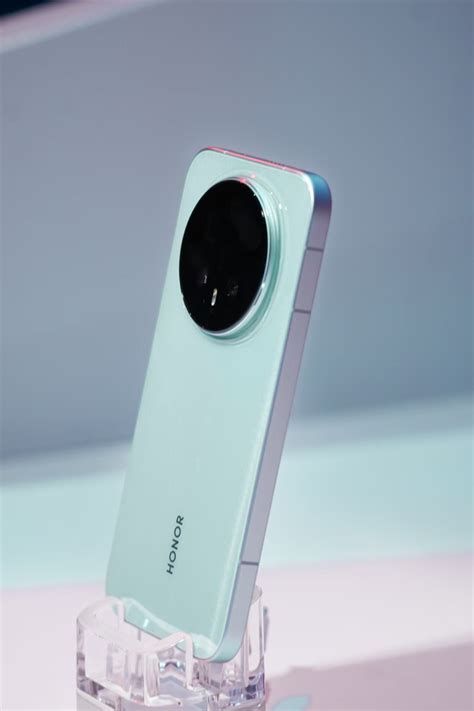
In my experience, the Magic 8 Pro is one of the best-looking phones at its price point. The back is a clean, premium glass finish that picks up light in a pleasing way. I was surprised by how comfortable the curved edges felt—less like a toy and more like a refined tool. The frame has a slight weight that makes the phone feel solid; it never felt cheap in my pocket.
One thing that bothered me early on was the slipperiness. Between the glossy back and the curved sides, I started using a thin case pretty quickly to avoid accidental drops. The camera island is prominent but not obnoxiously protruding; it does make the phone wobble on a flat table unless you use a case.
Display: vivid, responsive, and genuinely useful outdoors
I've been reading, streaming, and editing photos on this display daily. What stood out immediately was the brightness and color rendering—text is crisp, colors pop for streaming HDR content, and the panel handles high-refresh scrolling with no visible judder. The adaptive refresh rate is noticeable: apps feel snappy at 120Hz, and the system downshifts during idle moments to save battery.
In sunlight, I noticed the screen remained legible even on particularly bright days, which mattered when I was trying to frame shots outdoors. That said, the curved edges occasionally catch unwanted touch input—especially when I use the phone one-handed—so I found myself adjusting my grip until I got used to it.
Performance: smooth day-to-day, solid for gaming
After testing for weeks with multitasking, camera-heavy sessions, and a few long gaming sessions, the phone never felt sluggish. Apps open quickly, switching between large apps is smooth, and I didn't run into stutters in my regular usage. Under sustained gaming, the phone gets warm to the touch after about 30–45 minutes of demanding titles; performance throttles a bit to manage thermals, but gameplay stayed acceptable.
One subtle thing I noticed was how the phone handled background apps. Aggressive battery management sometimes closed apps I expected to keep running (messaging, navigation). It took a short adjustment to whitelist those apps in the settings, and after that I didn’t experience unexpected closures.
Shop the latest Mobile Phones picks on Amazon.
Shop Amazon →Battery life: reliable but not class-leading
In my usage pattern—mix of social apps, an hour of music streaming, 30–60 minutes of photography, and moderate browsing—I averaged roughly a full day of use with some charge to spare. On heavier days with extended location use and gaming, I had to top up by evening. If you’re a light user, you might comfortably get into a second day; if you’re pushing it hard (gaming, lots of video capture), expect to charge daily.
Charging is fast enough that midday top-ups are painless. I appreciated that a short 20–30 minute charge restored a meaningful percentage when I needed it urgently.
Cameras: excellent main sensor, great portrait work, and quirky processing
Photography is the area where the Magic 8 Pro often justifies its premium for me. In daylight, the main camera produces detailed images with good dynamic range and pleasant colors. I liked the skin tones in portrait shots—often more natural than the overly boosted look you sometimes get from other manufacturers.
Low-light performance is strong when I use Night mode; images come out usable and surprisingly sharp for handheld shots. That said, sometimes the processing leans into clear sharpening and contrast that can make foliage or complex textures look a bit artificial if you inspect 100% crops. On multiple occasions I found myself toggling settings or switching to Pro mode to tone down the software’s default touch.
Video capture is versatile, and stabilization works well for casual clips. I did notice that switching between zoom levels (especially from wide to tele) takes a brief moment while the system blends frames; the transition isn't instant but it's not disruptive unless you're shooting video where you need an immediate change.
Software and daily features: mostly smooth, with a learning curve
I've been using the phone's native UI for months. The interface is clean and packed with features—some helpful, some I rarely used. Useful additions for me were customizable shortcuts and a robust photo editor built into the gallery. I appreciated the battery optimization options, once I learned which ones to disable for specific apps.
On the downside, pre-installed apps and occasional duplication of functions felt unnecessary. I also ran into one or two small quirks with notifications: certain apps delayed notifications until I opened them, which was solved by changing the app's background permissions. Those are fixable, but they cost time and patience during initial setup.
Connectivity, calls, and day-to-day reliability
Cellular reception and call quality were solid in my area. I made calls in both quiet and noisy places—voice clarity was good, and the noise suppression did an adequate job. Wi-Fi performance has been reliable, and Bluetooth pairings with earbuds and car systems were consistently stable after the first connection.
Looking for the best Mobile Phones deals on Amazon?
See Deals →Biometrics and security
The in-display fingerprint sensor is quick and usually accurate; my primary frustration is when my finger is damp or very cold, the sensor takes longer or asks me to retry. Face unlock (if supported in your region) is fast and convenient for unlocking at home, but I relied on the fingerprint for secure authentication with banking apps.
What I appreciated most
- Display quality and outdoor visibility—great for streaming and photography review.
- Camera consistency in daylight and night mode that produces usable low-light shots without carrying extra gear.
- Premium build and handling—curves that feel intentional, not gimmicky.
- Fast charging that lets me grab power quickly during a busy day.
What disappointed me
- Aggressive background app management required manual whitelisting for some apps I rely on.
- Curved edges occasionally produced accidental touches until I adjusted my grip or used a case.
- Software includes duplicated apps and some processing choices (oversharpening) that needed manual tuning.
- Battery is reliable, but not the best in class for extremely heavy users.
Pros & Cons
- Pros:
- Stunning, bright display with smooth adaptive refresh
- Versatile camera system that excels in daylight and strong night mode
- Premium build and good ergonomics
- Fast charging and dependable day-to-day performance
- Cons:
- Curved edges can lead to accidental touches and make the phone slippery
- Software occasionally closes background apps unless whitelisted
- Camera processing can be aggressive; manual tuning might be required
- Battery life is solid but not exceptional under heavy use
Comparison: How it stacks up against a few alternatives
| Device | Display | Battery / Charging | Camera | Best for |
|---|---|---|---|---|
| Honor Magic 8 Pro | Vivid curved OLED, adaptive high refresh, very bright | Reliable day-long battery, fast top-ups | Strong main sensor, great portraits, solid low-light mode | Users who prioritize display and photography without extreme battery needs |
| Flagship A (mainstream competitor) | Flat AMOLED, smooth refresh, generally color-accurate | Often slightly larger battery, fast charging | Excellent processing, slightly different color signature | People who want maximum battery life and brand ecosystem |
| Flagship B (camera-focused) | Large, bright panel, sometimes heavier | Good endurance, slower charge on some models | Top-tier zoom and computational photography | Photographers who want the best telephoto and consistent processing |
Buying guide: is the Honor Magic 8 Pro right for you?
Who should buy this phone
In my experience, this phone is ideal if you value a gorgeous screen and a camera system that performs well in everyday situations. If you stream, browse, and take lots of photos for social media or casual editing, you'll appreciate what it offers. I also recommend it if you want a premium-feeling device without stepping up to the very heaviest flagship price tags.
Who should think twice
If battery endurance is your highest priority—if you consistently go two days without charging or you play high-end games for multiple hours daily—you might want to compare models that emphasize larger batteries. Also, if you dislike curved displays or prefer entirely stock Android experiences, this phone's design and software approach may not be your match.
What to check before you buy
- Software updates and regional feature availability—check whether specific services or features are enabled in your country.
- Carrier compatibility—if you rely on certain network bands, verify compatibility with your carrier.
- Storage and RAM options—pick a configuration that matches how many photos, videos, and apps you plan to keep locally.
- Try the display in person if possible—curved edges and size can feel different in-hand than they look in photos.
Accessories I recommend
- A slim protective case to keep the phone grippable and protect the camera glass.
- A screen protector that plays nicely with curved panels to avoid accidental edge lift.
- A compact fast charger for quick top-ups when you're out and about.
- Wireless earbuds with low-latency mode if you game or watch video with the phone.
Final thoughts and conclusion
After several months of using the Honor Magic 8 Pro, I can honestly say it's one of those phones that makes daily tasks feel a little more enjoyable. I appreciated the bright, engaging display every time I pulled it out; the camera won more compliments on casual shots than I expected; and the overall performance handled my typical workload without fuss. What I found was a well-rounded package that prioritizes real-world photography and display quality.
At the same time, my experience highlighted a few real-world trade-offs: the curved design demands care (or a case), software behavior required me to adjust settings, and battery life, while fine for average users, won't satisfy extreme power users. In my day-to-day life, those compromises were worth the benefits—the phone feels refined, capable, and enjoyable to use.
If you're someone who enjoys taking pictures, streaming, and having a premium-feeling device in hand, the Honor Magic 8 Pro is easy to recommend based on my time with it. If long battery endurance, absolute software minimalism, or a flat-screen preference are more important to you, it's worth comparing a couple of alternatives before deciding. For me, after months of use, it became the phone I reached for first—again and again.